
Helping Financial Professionals Better Support Families With Special Needs
On September 9, financial planners, wealth advisors, estate planning professionals, and other members of the East Bay financial community gathered at Orinda Country Club for an important discussion on the financial planner’s role in special needs planning.
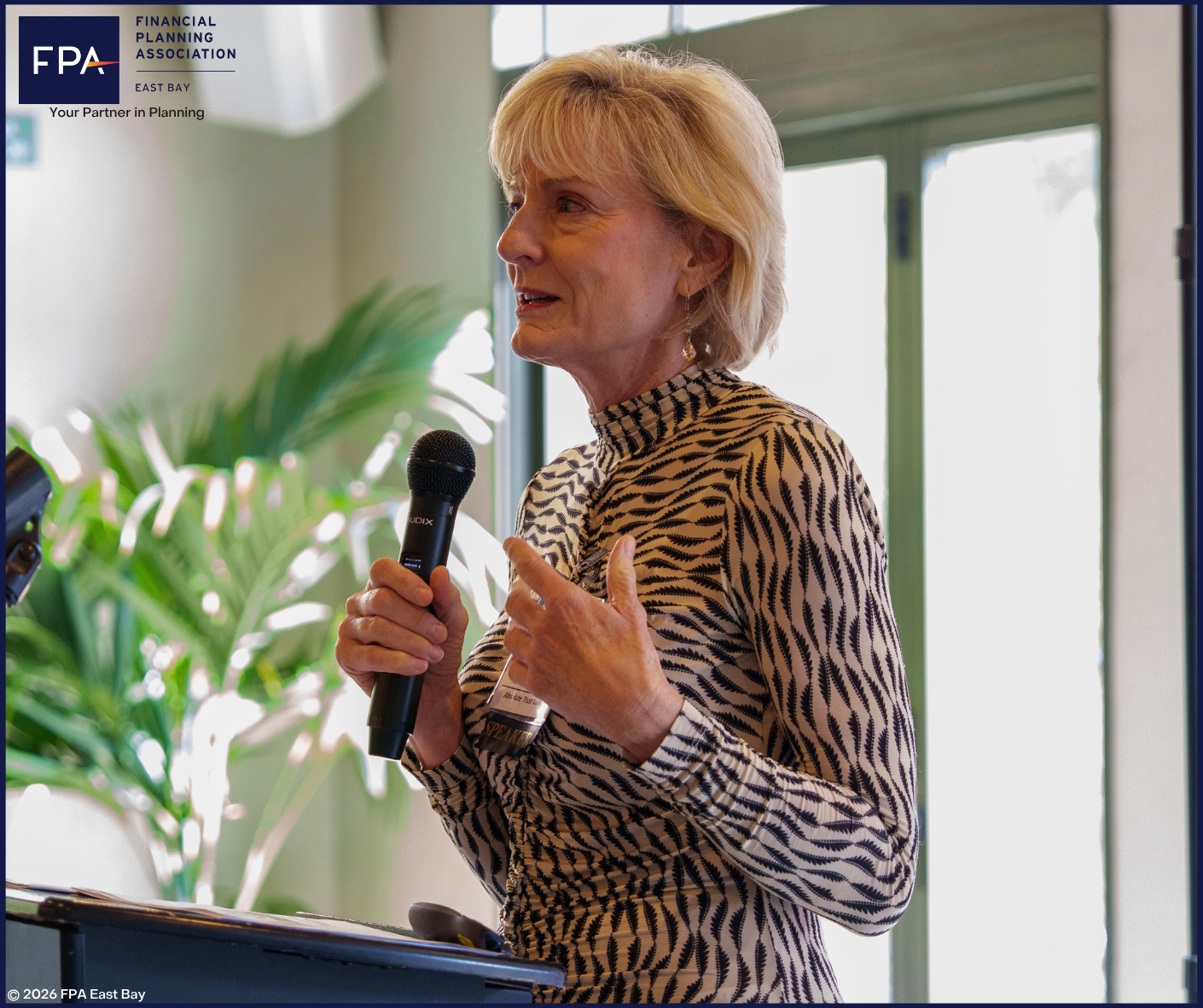
Hosted by FPA East Bay, the program featured Kirsten Howe, Esq., Founder and Managing Attorney of Absolute Trust Counsel, who shared practical guidance for helping families navigate the financial, legal, and long-term planning challenges that can arise when caring for a loved one with a disability.
Looking Beyond the Trust
Special needs planning involves much more than establishing a trust.
Families may need to coordinate public benefits, estate planning, retirement planning, beneficiary designations, caregiving arrangements, and long-term financial support. Financial planners are often in a unique position to identify potential issues early and help clients bring the right professionals into the conversation.
During the program, Kirsten explored several important areas of special needs planning, including:
The purpose of preserving eligibility for means-tested public benefits
Differences between first-party and third-party Special Needs Trusts
Common beneficiary designation mistakes
Risks associated with outright inheritances and improperly transferred assets
Long-term financial planning for beneficiaries with disabilities
Coordinating financial, legal, tax, and estate planning strategies
Helping families prepare for future caregiving needs and responsibilities
The discussion gave attendees a practical framework for recognizing when specialized planning may be needed and how financial professionals can help families avoid decisions that could unintentionally create financial or legal complications.
Photos Courtesy of Jeron Silva / JPSfilmssf




The Financial Planner’s Role
One of the central themes of the program was the important role financial planners can play in helping families coordinate the many moving parts involved in special needs planning.
A financial planner may be among the first professionals to learn that a client has a child, sibling, spouse, or other loved one with a disability. That creates an opportunity to ask better questions, identify gaps in an existing financial plan, and help clients connect their financial goals with appropriate estate planning and legal strategies.
The session reinforced that financial planners do not need to become special needs attorneys to provide meaningful value.
Instead, advisors can help clients recognize planning issues, understand the financial implications of different decisions, and work collaboratively with attorneys, CPAs, benefits specialists, and other professionals.
Planning for the Entire Family
Special needs planning also involves important emotional and family considerations.
Parents and caregivers may be thinking about questions such as who will provide care in the future, how much financial support a loved one may need, whether siblings will be involved, and how to balance fairness among family members while still addressing each person’s individual circumstances.
These conversations can also affect a family’s broader retirement, estate, insurance, and investment planning.
By understanding the larger picture, financial professionals can help families build plans that account for both immediate financial needs and long-term uncertainties.
Avoiding Costly Planning Mistakes
The program also highlighted how seemingly routine financial decisions can create unintended consequences when special needs planning is involved.
Beneficiary designations, inheritances, account ownership, gifts, and asset transfers may all need additional consideration when a beneficiary depends on means-tested public benefits.
Recognizing these issues before assets are transferred can give families more options and help prevent avoidable complications.
For financial planners, this makes coordination especially important. Reviewing beneficiary designations, understanding the role of a Special Needs Trust, and knowing when to bring an experienced estate planning attorney into the conversation can make a significant difference for clients.
Building Stronger Professional Collaboration
Special needs planning is a strong example of why collaboration matters across the financial planning profession.
No single professional handles every part of the planning process. Attorneys, financial planners, tax professionals, insurance professionals, benefits specialists, and other advisors may each contribute different expertise.
The session encouraged attendees to think beyond individual recommendations and instead focus on building coordinated plans around the needs of the family.
That collaborative approach can help reduce gaps, improve communication among advisors, and give families greater confidence in the long-term plan they are putting in place.
Thank You to Our Speaker and Sponsor
A sincere thank you to Kirsten Howe, Esq., Founder and Managing Attorney of Absolute Trust Counsel, for sharing her experience and providing attendees with practical guidance they can use when working with families facing special needs planning decisions.
We also extend our appreciation to our event sponsor for supporting this educational program and the FPA East Bay community.
Anthony Calderone
Inland Securities
[email protected]
628.231.4742
Looking Ahead
Special needs planning is one of the many areas where financial professionals can provide tremendous value by recognizing important planning needs early, asking thoughtful questions, and helping clients coordinate with the right team of professionals.
Programs like this give FPA East Bay members and guests the opportunity to strengthen their knowledge while learning practical strategies they can bring back to their client relationships.
FPA East Bay remains committed to providing educational programs that help financial professionals stay informed, expand their expertise, and build stronger connections throughout the East Bay financial community.
Thank you to everyone who joined us for this important program.
If you haven’t attended an FPA East Bay event recently, we encourage you to join us at an upcoming event and experience the value of learning, collaboration, and connection with fellow financial professionals.


